
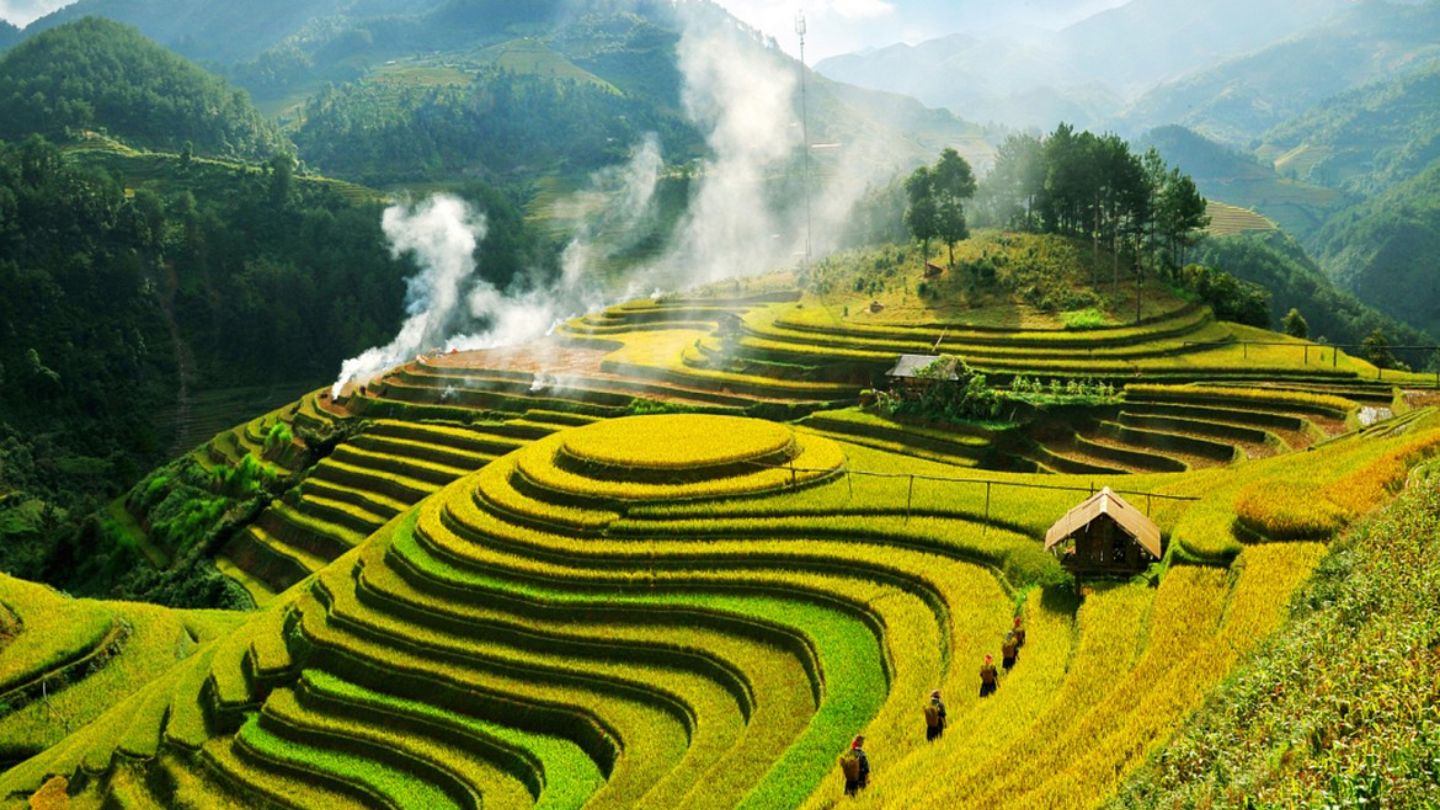
Vietnam Natural Parks – Hidden in Vietnam’s far northwest, Hoang Lien National Park stands as one of the country’s most extraordinary natural sanctuaries—a rugged landscape shaped by ancient mountains, mist-covered forests, and the cultural heritage of ethnic minority communities. Home to Vietnam’s highest peak and a biodiversity hotspot of global importance, Hoang Lien offers an unmatched blend of adventure, scientific value, and cultural richness.
A Mountain Range Carved by Nature and Time
Located between Lao Cai and Lai Chau provinces, the park spans more than 29,800 hectares and forms the core of the Hoang Lien Son Mountain Range. This dramatic topography is dominated by steep valleys, vertical cliffs, and deep gorges carved by powerful streams.
At the heart of the park rises the legendary Fansipan Mountain—“The Roof of Indochina”—standing at 3,147 meters, making it the tallest peak in Vietnam, Laos, and Cambodia.
Even beyond Fansipan, the area’s topography supports unique microclimates, creating one of the few places in Vietnam where temperatures can approach freezing and frost appears during winter months.
A Sanctuary of Rare and Endemic Biodiversity
Hoang Lien National Park is recognized as a Biodiversity Reserve of global significance and is often compared to a “biological museum” of northern Vietnam.
Flora: Ancient Forests and High-Altitude Ecosystems
The park protects more than 2,800 plant species, including rare and endangered varieties such as:
- Rhododendron forests that bloom vibrant red and pink during March–April
- Bamboo and alpine shrubs found only in high-elevation zones
- Ancient evergreen forests housing centuries-old trees
- Precious medicinal plants used traditionally by local ethnic communities
Hoang Lien is one of the last strongholds for several high-altitude plant species threatened by climate change and habitat loss.
Fauna: A Refuge for Some of Vietnam’s Rarest Species
The park supports over 500 animal species, including:
- Owston’s Civet
- Black Gibbon (extremely rare)
- Asian Black Bear
- Serows and mountain goats
- Over 350 bird species, making the park a paradise for birdwatchers
Many species here are listed in the Vietnam Red Book and the IUCN Red List, highlighting the park’s critical role in regional conservation.
Cultural Landscapes Shaped by Indigenous Communities
Hoang Lien is not only a natural heritage site but also a living cultural landscape. Several ethnic groups, including the H’Mong, Dao, Tay, and Giay, have lived here for generations.
Visitors can explore:
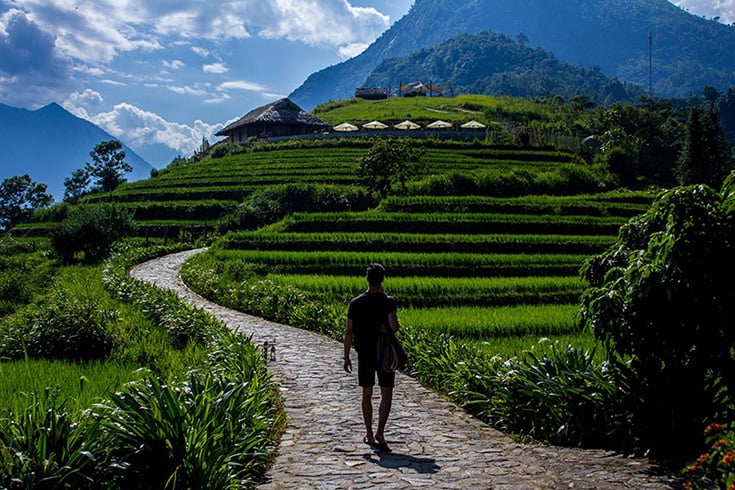
- Terraced rice fields cascading down the mountain slopes
- Traditional stilt houses
- Textile weaving and herbal medicine traditions
- Colorful ethnic markets in nearby Sapa and surrounding villages
Their sustainable agricultural practices have shaped the region’s iconic scenery and continue to preserve the ecological balance.
A Destination for Adventure and Exploration
Fansipan Summit Trek
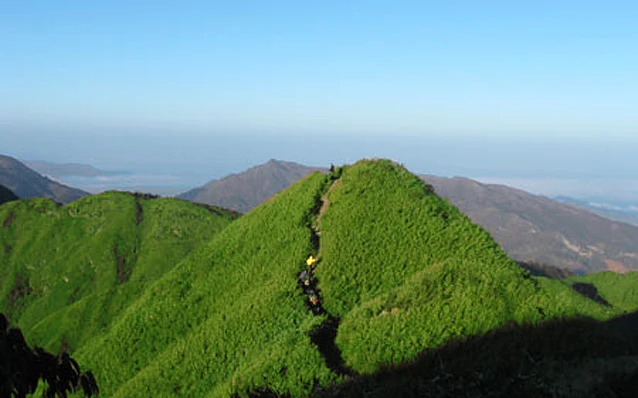
The multi-day trek to Fansipan remains one of Vietnam’s most iconic outdoor experiences. Trekkers pass through shifting landscapes—bamboo forests, moss-covered trails, and cloud-kissed ridge lines—before reaching the summit for panoramic views across the Hoang Lien range.
Forest Trails and Nature Walks
For visitors seeking gentler experiences, the park offers guided nature walks to:
- Waterfalls and rapids
- Wildlife observation points
- High-altitude viewpoints
- Botanical areas featuring native species
Photography and Nature Observation
The park’s constantly changing light, cloud formations, and diverse ecosystems make it a dream location for photographers. Sunrise at high altitude, in particular, is known for its surreal beauty.
Conservation Efforts and Ongoing Challenges
Hoang Lien National Park is at the center of Vietnam’s conservation efforts. Rangers, researchers, and local communities collaborate on:
- Forest restoration programs
- Protection of endangered species
- Anti-poaching patrols
- Sustainable tourism management
- Research on climate change impacts on alpine ecosystems
- Environmental education for surrounding communities
Despite these initiatives, the park still faces threats from illegal logging, land conversion, and climate-driven changes to fragile high-altitude environments. Sustainable tourism plays a crucial role in supporting long-term conservation.
Planning Your Visit to Hoang Lien National Park
- Nearest City: Sapa (Lao Cai Province)
- Best Time to Visit:
- March–April for rhododendron blooms
- September–November for trekking and clear mountain views
- Permits: Required for certain trekking routes
- Guides: Highly recommended for summit treks and deep-forest exploration
- Weather: Can change rapidly—prepare for cold temperatures even outside winter
Hoang Lien National Park welcomes visitors seeking meaningful, nature-focused experiences while respecting the fragile ecosystems and cultural traditions that make the region unique.
Leave a Reply