

Vietnam National Parks – Cat Ba National Park, located on Cat Ba Island in Hai Phong, northern Vietnam, is a biodiversity hotspot spanning over 15,000 hectares. Established in 1986, the park protects tropical forests, limestone karst formations, mangrove forests, and coastal ecosystems. Visitors come here to observe rare and endemic species, including the critically endangered Cat Ba Langur, tropical birds, reptiles, and amphibians.
The park offers a combination of eco-tourism, education, and conservation, making it suitable for families, researchers, and nature enthusiasts. Whether exploring hiking trails, observing wildlife, or learning about conservation programs, Cat Ba National Park provides a unique experience that combines adventure with environmental awareness.
Flora and Fauna of Cat Ba National Park
Flora
The park’s forests are rich with plant diversity, including:
- Tropical hardwoods and bamboo groves
- Mangrove forests along coastal areas
- Limestone-adapted vegetation unique to karst formations
Visitors will notice centuries-old trees in the deeper forest, providing habitat for many animal species and contributing to the park’s ecological balance.
Fauna
Cat Ba National Park is home to a variety of wildlife:
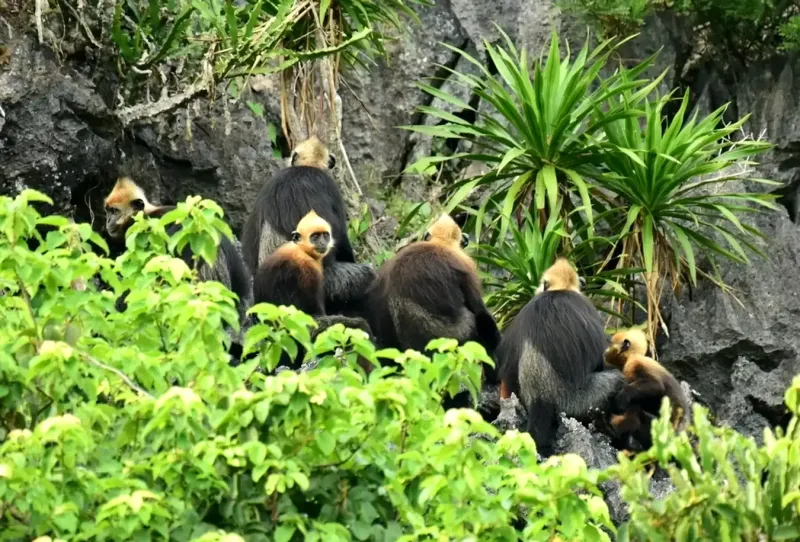
- Cat Ba Langur: A primate species critically endangered and endemic to the island
- Hornbills, kingfishers, and forest-dwelling bird species
- Small mammals, reptiles, and amphibians, many of which are rarely found elsewhere
Conservation programs within the park focus on protecting these species and educating visitors about the importance of biodiversity.
Trails and Hiking Routes
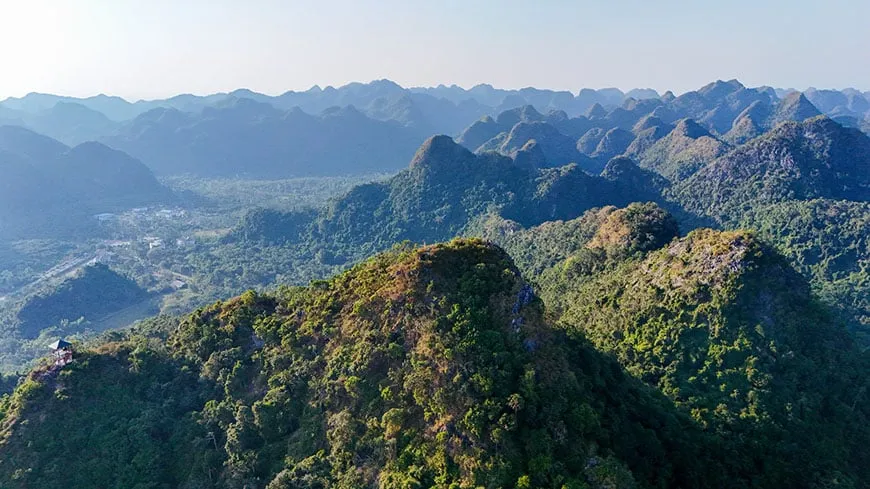
Cat Ba National Park has several family-friendly and moderate trails:
Langur Trail
- Distance: 2 km, easy
- Purpose: Observation of Cat Ba Langurs and bird species
- Features: Forest scenery and small streams
Nui Ong Cave Trail
- Moderate difficulty, approx. 3 km
- Features limestone caves, forest canopies, and scenic viewpoints
Waterfall Trail
- Moderate trail leading to natural waterfalls and panoramic forest views
Visitor tip: Bring water, wear comfortable shoes, and consider guided tours to enhance wildlife observation.
Coastal and Marine Ecosystems
Beyond forests, Cat Ba National Park includes coastal habitats and mangrove forests:
- Mangrove exploration along the island’s shores
- Birdwatching along the coastline
- Designated marine areas for educational eco-tours
Guided tours ensure safety, especially for snorkeling and water-based observation. Life jackets and supervision are mandatory for children and inexperienced swimmers.
Visitor tip: Participate in official guided tours to minimize impact on delicate ecosystems.
Visitor Centers and Educational Programs

Cat Ba National Park offers facilities to support eco-tourism and learning:
- Visitor Center: Provides maps, park information, safety instructions, and updated trail conditions
- Conservation Education Programs: Focused on Cat Ba Langur, habitat preservation, and awareness campaigns
- Guided Eco-Tours: Led by trained park rangers to educate visitors about flora, fauna, and geology
Family-friendly activities:
- Nature walks and observation of endemic species
- Interactive educational programs for children
- Photography tours emphasizing sustainable tourism
Accommodation and Facilities
Visitors have multiple accommodation options:
- On-site guesthouses: Convenient for early trail access
- Hotels and hostels in Cat Ba Town: Wide range of family-friendly facilities
- Eco-lodges and homestays: Promote sustainable tourism and immersive nature experiences
Visitor tip: Book accommodations through official park channels to ensure reliability and safety compliance.
Guidelines for Responsible Visits
To protect wildlife and habitats while ensuring visitor safety:
- Stay on marked trails and do not approach wildlife
- Dispose of waste in designated areas; avoid littering
- Respect coastal and marine ecosystems
- Follow park regulations and ranger instructions
- Educate children and fellow visitors about biodiversity
Extra tip: Visit early morning or late afternoon for better wildlife observation and cooler temperatures.
Tips for a Memorable Visit
- Bring binoculars or a camera with zoom for observing wildlife
- Wear comfortable shoes and lightweight clothing
- Pack water and snacks for longer hikes
- Teach children about conservation and respect for nature
- Check the park’s official website for updates on guided tours and seasonal activities
(FAQ) Cat Ba National Park
What makes Cat Ba National Park unique?
It combines tropical forests, limestone karsts, mangroves, and marine ecosystems while protecting the critically endangered Cat Ba Langur.
Are there family-friendly trails in Cat Ba National Park?
Yes, trails such as the Langur Trail and Waterfall Trail are suitable for families and beginner hikers.
When is the best time to visit Cat Ba National Park?
The dry season, from November to April, is ideal for hiking and wildlife observation.
How can visitors contribute to conservation?
By following park rules, staying on marked trails, disposing of waste properly, and participating in educational programs.
Leave a Reply