
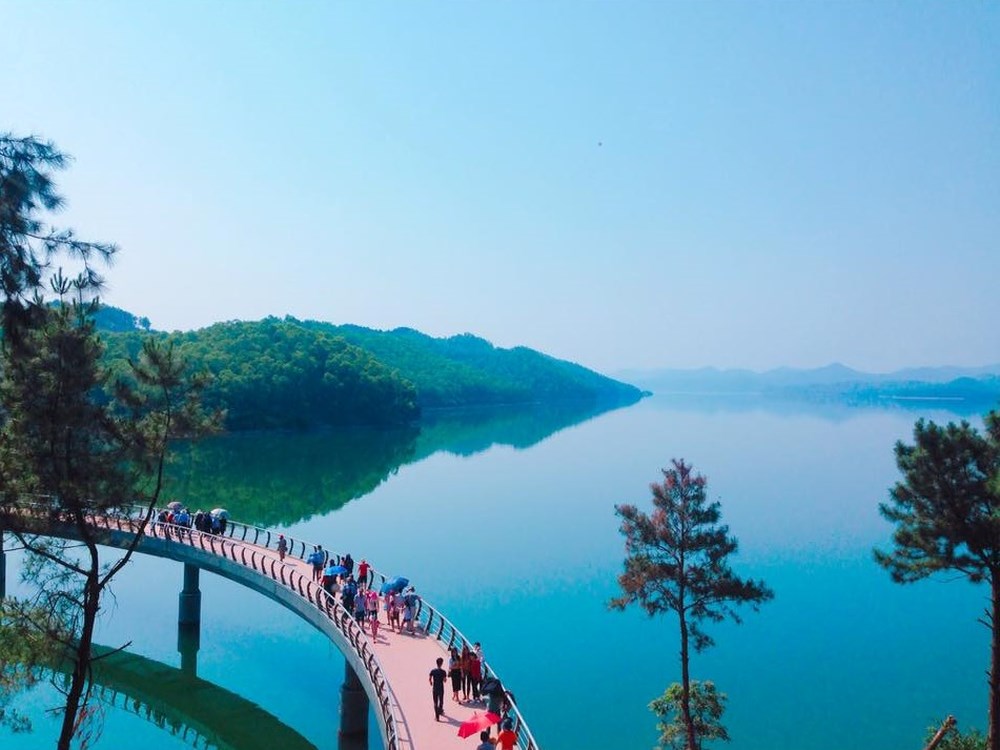
Vietnam National Parks – Ke Go Nature Reserve is located in Cam Xuyen, Ky Anh, and Huong Khe districts of Ha Tinh Province, Vietnam. Officially established on May 3, 1997, it covers approximately 24,801 hectares, including strict protection zones and buffer areas.
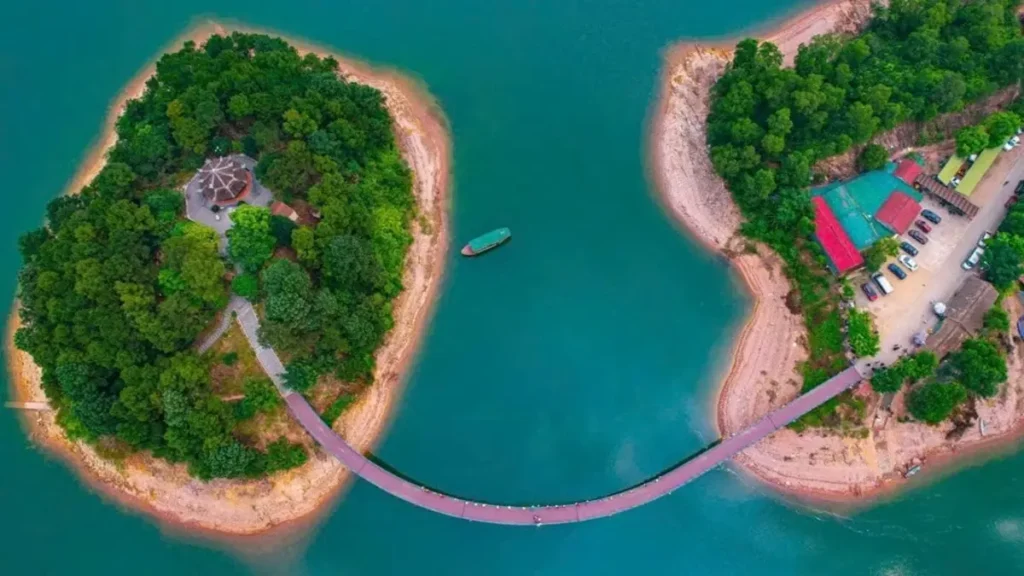
The reserve protects lowland broad-leaf evergreen forests, hilly landscapes, wetlands, and the Ke Go Reservoir, which supports both local communities and wildlife. Ke Go represents one of the last significant blocks of lowland forest in central Vietnam and forms part of the globally important Annamese Lowlands Endemic Bird Area (EBA).
Ke Go Nature Reserve Biodiversity and Conservation Value
The Ke Go Nature Reserve boasts significant biodiversity and conservation value. This can be seen directly in the pristine flora and fauna habitats.
1 Flora
Ke Go’s forests support tropical lowland vegetation, including primary and secondary forests. Despite historical logging, the area maintains a diverse range of tree species and regenerating forest cover that provides essential habitat for wildlife.
2 Fauna
Recent surveys indicate:
- 46 mammal species, including small carnivores, primates, and deer
- Over 270 bird species, including endemic and threatened species
- Numerous reptiles and amphibians, some newly classified or endemic
3 Endemic and Threatened Species
The reserve is particularly important for two rare pheasants:
- Vietnamese Pheasant (Lophura hatinhensis)
- Imperial Pheasant (Lophura imperialis)
These species have extremely limited ranges and are globally threatened. Ke Go also provides critical habitat for other nationally and globally endangered species.
Ke Go Nature Reserve Ecosystem Services
The Ke Go Reservoir is an integral component of the reserve:
- Supplies freshwater for irrigation, fisheries, and local communities
- Supports aquatic ecosystems and maintains wetland habitats
- Regulates microclimate and hydrological balance in surrounding forests
By combining ecological and human benefits, the reserve exemplifies sustainable integration of natural and socio-economic systems.
Conservation Challenges
Despite its protected status, Ke Go faces:
- Historical disturbances from logging and land use
- Illegal hunting and poaching, impacting wildlife populations
- Pressure from nearby communities, including land expansion and resource extraction
- Climate-related impacts, affecting reservoir levels and forest conditions
Conservation management requires ongoing monitoring, patrols, habitat restoration, and community engagement.
Ke Go Nature Reserve Visitor Information
Ke Go is primarily a conservation-focused reserve. Visitors can experience:
- Nature walks and forest trails, observing flora and fauna
- Birdwatching, particularly endemic pheasants and forest birds
- Reservoir scenery, offering tranquil landscapes for photography and environmental education
Tourism infrastructure is limited, emphasizing eco-tourism and research visits rather than mass tourism.
Management and Recommendations
To maintain Ke Go’s ecological integrity:
- Strengthen patrols and surveillance to prevent illegal logging and hunting
- Implement habitat restoration programs in disturbed areas
- Conduct regular biodiversity monitoring, including camera traps and species inventories
- Engage local communities in conservation and sustainable livelihoods
- Develop responsible eco-tourism programs targeting researchers, birdwatchers, and educational groups
- Promote public awareness and environmental education on forest and water conservation
Ke Go Nature Reserve remains a critical component of Vietnam’s national conservation network. It preserves lowland forests, endemic and threatened species, and essential ecosystem services, while also supporting local communities. Effective management and sustainable practices are essential to ensure that Ke Go continues to provide ecological, social, and scientific value for present and future generations.
Leave a Reply