
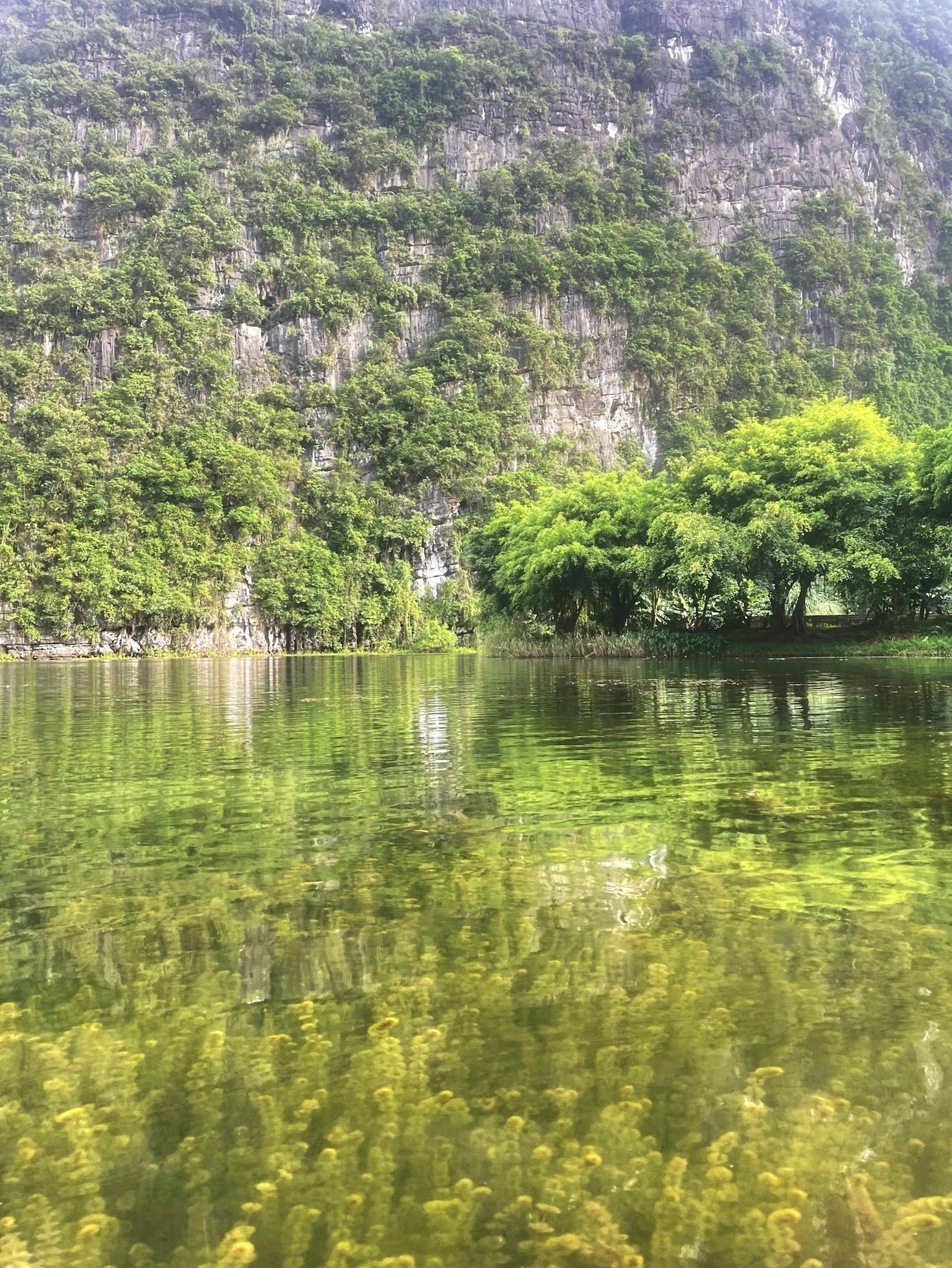
Vietnam National Parks – Vietnam is one of the world’s biodiversity hotspots, hosting over 16,000 species of plants and 11,000 species of animals, many of which are endemic. Its national parks—such as Cuc Phuong, Cat Tien, Phong Nha-Ke Bang, and Hoang Lien—play a crucial role in conserving this rich natural heritage. Conservation in Vietnam’s parks is focused on habitat preservation, species protection, ecological research, and community engagement.
Core Conservation Strategies
1. Habitat Protection:
National parks maintain strict boundaries and zoning systems to prevent deforestation, illegal logging, and human encroachment. Protected zones are monitored with patrol teams, surveillance cameras, and satellite imagery to ensure ecosystem stability.
2. Endangered Species Programs:
- Cuc Phuong National Park: Houses breeding centers for delicate primates and the Vietnamese tortoise, supporting population recovery.
- Cat Tien National Park: Participates in the Javan rhinoceros conservation initiative and monitors rare bird species.
- Phong Nha-Ke Bang: Protects cave-dwelling bats and aquatic species, integrating conservation with sustainable tourism.
3. Reforestation and Habitat Restoration:
Parks restore degraded forests using native plant species to rebuild ecosystems and improve carbon sequestration. Programs like the Forest Restoration Initiative in Hoang Lien support soil protection and climate resilience.
4. Scientific Research and Monitoring:
Researchers in national parks track population dynamics, migration patterns, and habitat health. Data collected helps guide policy decisions and conservation planning.
Community Engagement and Sustainable Development
Vietnamese national parks actively involve local communities in conservation:
- Eco-tourism employment: Villagers serve as guides, lodge operators, and rangers.
- Sustainable agriculture programs: Reduce pressure on forest resources while maintaining livelihoods.
- Environmental education: Workshops in schools and villages raise awareness about wildlife protection.
By integrating social development, parks ensure that conservation benefits both nature and people.
Visitor Participation
Tourists are encouraged to participate in conservation-friendly activities:
- Guided eco-tours: Learn about flora and fauna without disturbing habitats.
- Volunteer programs: Support tree planting, wildlife monitoring, and park maintenance.
- Citizen science initiatives: Contribute to species documentation and biodiversity tracking.
Challenges and Adaptive Management
Vietnam’s parks face threats such as:
- Illegal wildlife trade and poaching
- Climate change impacts on forests and wetlands
- Urbanization and agricultural expansion near park boundaries
To counter these challenges, parks implement adaptive management strategies, combining policy enforcement, community collaboration, research, and technology.
Key Takeaways for Visitors and Stakeholders
- Conservation is an ongoing, multifaceted effort requiring science, policy, and community cooperation.
- Visitors can actively support conservation through eco-tourism and responsible behavior.
- National parks are living laboratories, demonstrating how biodiversity protection and human development can coexist.
Leave a Reply