
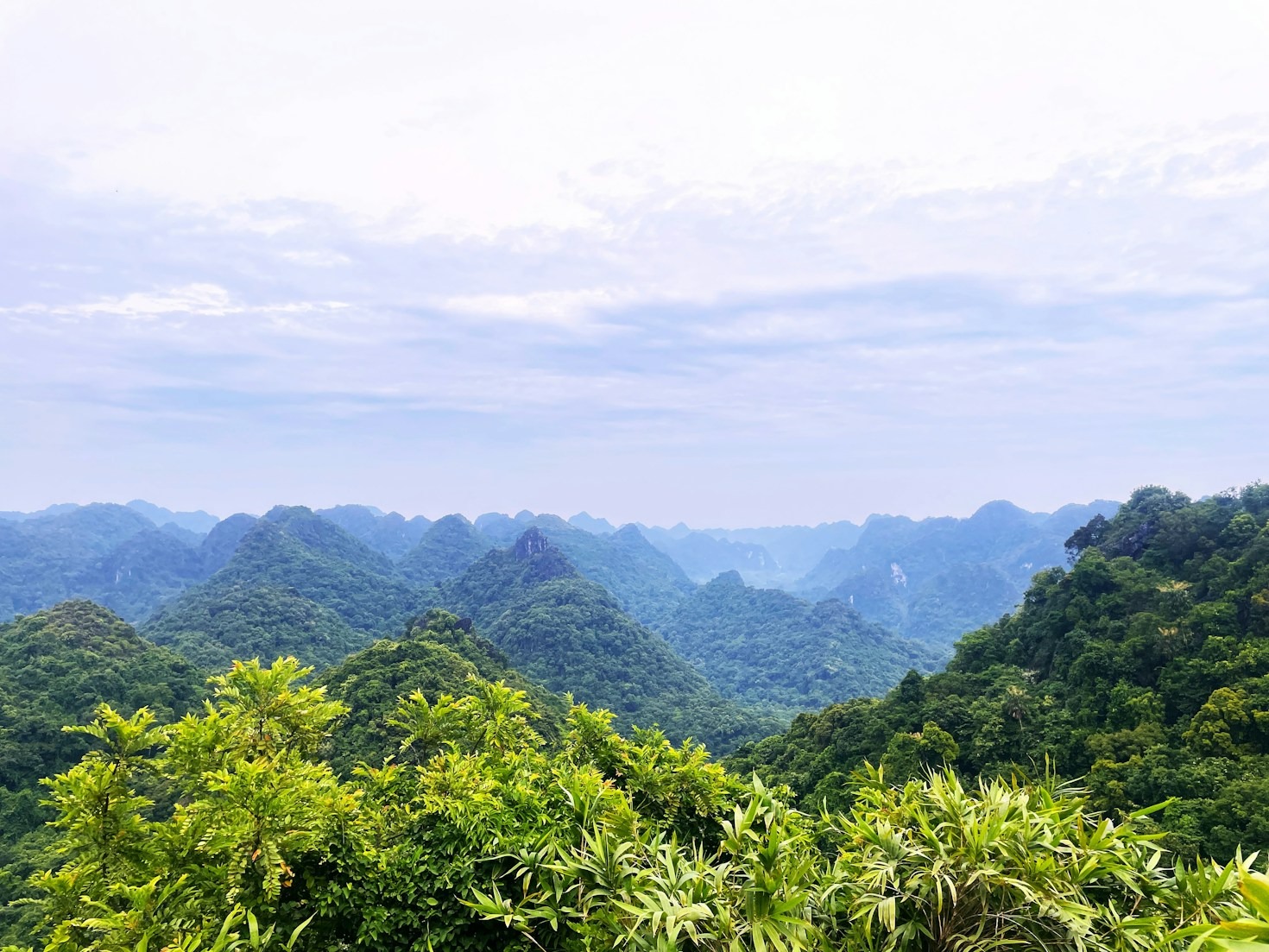
Vietnam National Parks – Vietnam’s national parks offer some of Southeast Asia’s most stunning landscapes for hikers and nature enthusiasts. From the limestone mountains of Phong Nha-Ke Bang to the misty highlands of Hoang Lien, these trails allow visitors to experience rich biodiversity, unique ecosystems, and breathtaking scenery. Hiking in these areas is not only recreational but also a way to connect with Vietnam’s natural heritage and support conservation efforts.
Popular Hiking Trails in Vietnam’s National Parks
Here are some of the most visited trails, including difficulty, distance, and key highlights:
1. Cuc Phuong National Park – Endangered Primate Trail
- Distance: 6 km (loop)
- Difficulty: Moderate
- Highlights: Observe rescued primates, ancient trees, limestone karsts, and rich birdlife.
- Tips: Guided tours recommended for safety and wildlife awareness.
2. Cat Tien National Park – Crocodile Lake Trail
- Distance: 8 km
- Difficulty: Easy to Moderate
- Highlights: Spot rare birds, gibbons, and the freshwater crocodiles in designated areas.
- Tips: Start early to avoid heat and stay on marked trails to protect wildlife habitats.
3. Phong Nha-Ke Bang National Park – Paradise Cave Trail
- Distance: 4 km to the cave entrance + optional 3 km inside cave route
- Difficulty: Easy
- Highlights: Explore stunning karst formations, underground rivers, and limestone caves.
- Tips: Wear comfortable shoes and bring a headlamp for inside the cave.
4. Hoang Lien National Park – Fansipan Summit Trek
- Distance: 12–15 km (one-way)
- Difficulty: Hard
- Highlights: Hike the highest peak in Indochina, passing terraced rice fields and mountain forests.
- Tips: Weather can change rapidly; carry layers, sufficient water, and hire a local guide.
Safety and Preparation Tips
- Check Trail Conditions: Trails may be slippery during the rainy season.
- Bring Essentials: Water, snacks, first aid kit, and appropriate clothing.
- Follow Trail Markings: Avoid venturing off marked paths to protect sensitive habitats.
- Inform Park Rangers: Let staff know your hiking plan for safety and monitoring purposes.
Responsible Hiking and Conservation
Hiking in national parks contributes to conservation if done responsibly:
- Stay on Trails: Prevent soil erosion and protect plant life.
- Do Not Disturb Wildlife: Maintain a safe distance from animals and avoid feeding them.
- Leave No Trace: Carry out all trash and avoid picking plants.
- Support Local Communities: Hire local guides and purchase local products to aid sustainable livelihoods.
Best Seasons for Hiking
- Northern Vietnam (Hoang Lien, Ba Be): October–April for clear skies and cooler weather.
- Central Vietnam (Phong Nha-Ke Bang): February–August, avoiding heavy monsoon rains.
- Southern Vietnam (Cat Tien, Cat Tien outskirts): December–April for dry season conditions.
Enhancing Your Hiking Experience
- Photography: Bring a camera to capture unique wildlife and landscapes.
- Ecotourism Programs: Join park-led programs that allow visitors to participate in habitat restoration and wildlife monitoring.
- Educational Tours: Learn about Vietnam’s biodiversity, endangered species, and conservation efforts from trained guides.
Conclusion Note
Vietnam’s national parks provide trails for all levels of hikers, offering both adventure and education. By following proper safety and conservation guidelines, visitors can enjoy the natural beauty while actively contributing to the protection of Vietnam’s forests, wildlife, and cultural heritage.
Leave a Reply