
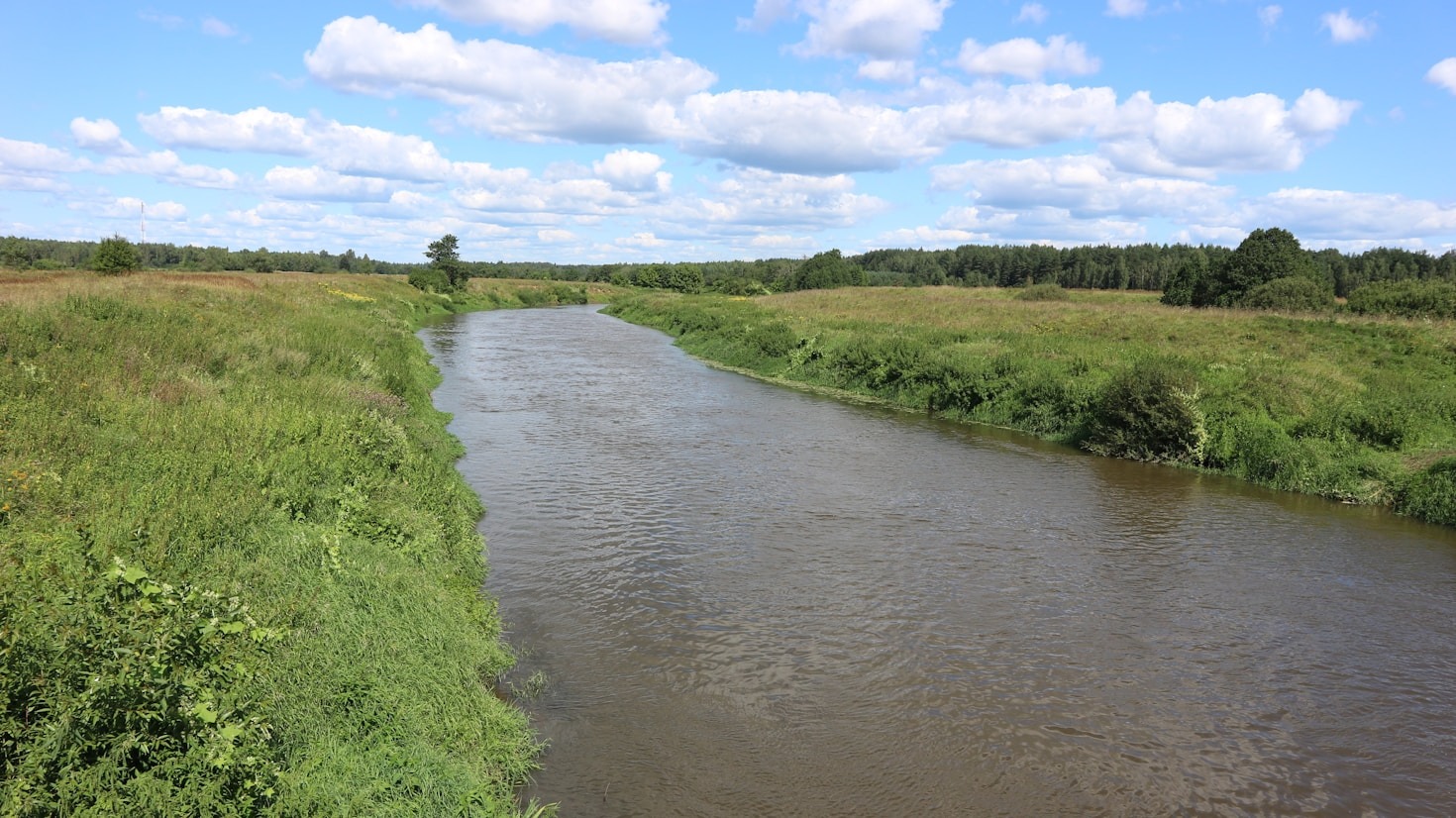
Vietnam’s national parks provide a safe and educational environment for families to experience nature. From gentle trails and wildlife observation to cultural interactions and eco-programs, these parks offer activities designed to engage children and adults while promoting awareness of natural and cultural heritage.
Gentle Hiking and Nature Trails
Many national parks have well-maintained trails suitable for families, including short and flat paths ideal for children and older adults.
Examples of family-friendly trails:
- Bach Ma National Park: Easy forest trails with birdwatching opportunities.
- Cat Tien National Park: Scenic river and lake paths for casual walks and wildlife spotting.
Practical tip: Follow trail signs, stay on marked paths, and wear appropriate footwear.
Wildlife Observation
Vietnam’s national parks are home to diverse species. Families can observe animals in their natural habitats while learning about conservation.
Key parks for wildlife observation:
- Phong Nha-Ke Bang National Park: Safe observation of bats, birds, and other wildlife.
- Cuc Phuong National Park: Ranger-led tours to see langurs, turtles, and rare birds.
Practical tip: Use binoculars and maintain a respectful distance from animals.
Educational Programs and Visitor Centers
Some parks provide interactive educational programs for children and teenagers. Activities include:
- Learning about plants and wildlife
- Participating in eco-friendly projects such as tree planting
- Understanding traditional Vietnamese conservation practices
Example: Cuc Phuong National Park has an education center offering hands-on learning for families.
Water-Based Activities
Rivers and lakes in national parks allow families to safely enjoy activities such as:
- Ba Be National Park: Canoeing on Ba Be Lake, surrounded by limestone mountains.
- Cat Tien National Park: Guided boat tours through wetland ecosystems.
Safety note: Life jackets and supervision are mandatory for children.
Cultural and Community Experiences
National parks are often near ethnic minority communities, providing opportunities for families to learn about local culture and traditions.
Examples include:
- Visiting traditional stilt houses
- Observing local farming and handicrafts
- Participating in cultural workshops or performances
Educational value: Children gain insight into the connection between local communities and environmental conservation.
Family-Friendly Facilities
Many parks offer facilities that support family visits, such as:
- Picnic areas with shaded tables
- Restrooms and changing rooms
- Information boards and guided tours for children
Practical tip: Follow park rules, keep areas clean, and ensure children are supervised at all times.
Guidelines for Families Visiting National Parks
To ensure a safe and enjoyable visit:
- Check park opening hours and activity schedules.
- Dress appropriately for weather and terrain.
- Bring water, snacks, and first aid supplies.
- Educate children about respecting wildlife and plant life.
- Follow all instructions from park staff and signage.
Leave a Reply