
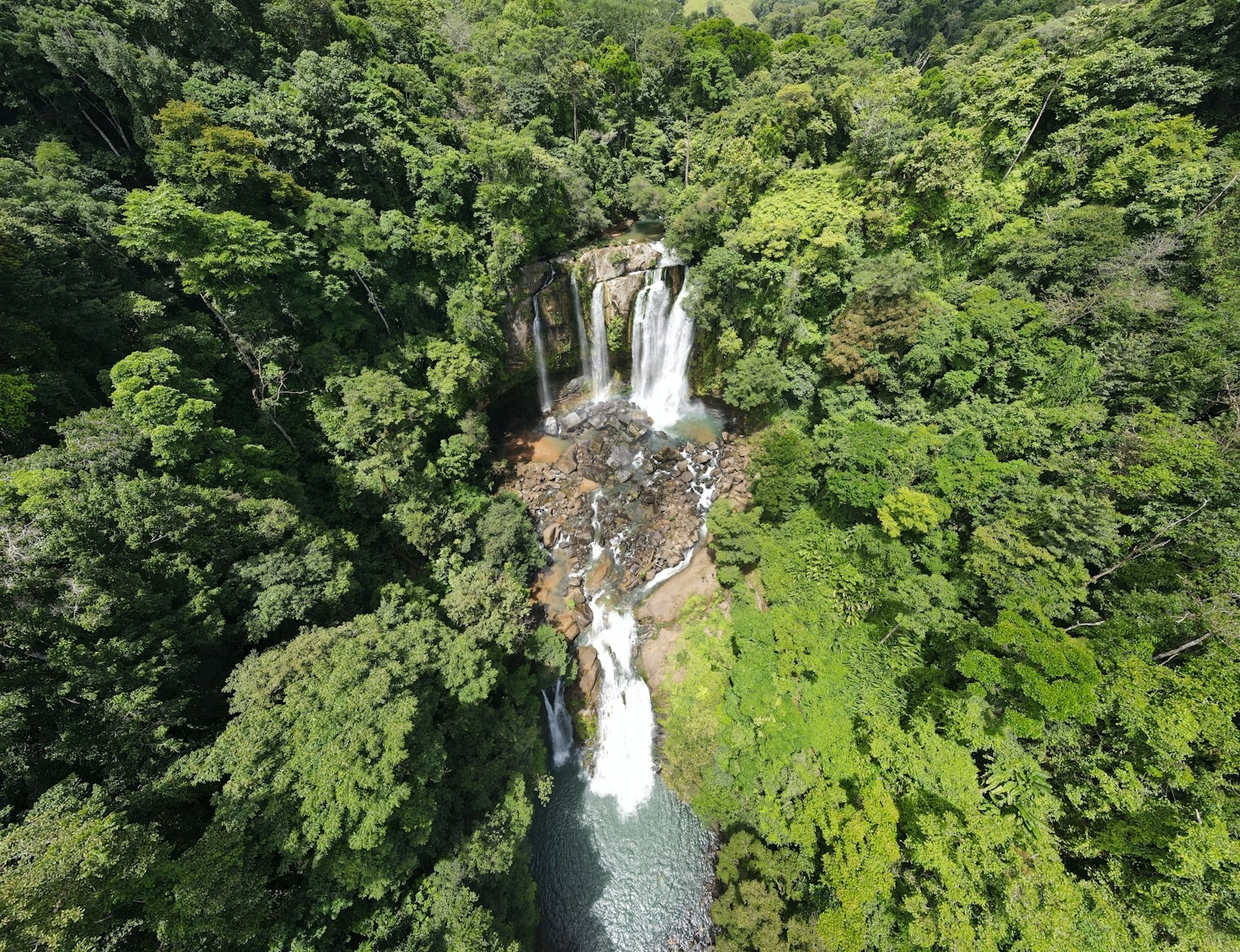
Vietnam’s national parks offer rich natural landscapes, diverse wildlife, and opportunities for eco-tourism. Proper planning ensures a safe, enjoyable, and educational visit for individuals, families, and groups. This guide provides official recommendations on transportation, accommodations, park regulations, seasonal considerations, and activities to help visitors prepare for their trip.
Choosing the Right National Park
Vietnam has over 30 protected areas, each with unique ecosystems and attractions. When selecting a park, consider:
- Location: Northern, central, or southern Vietnam.
- Activities: Hiking, birdwatching, cave exploration, water-based activities, cultural experiences.
- Accessibility: Distance from major cities and transportation options.
Example parks:
- Cuc Phuong National Park: Northern Vietnam, ideal for hiking and wildlife observation.
- Phong Nha-Ke Bang National Park: Central Vietnam, famous for caves and eco-tours.
- Cat Tien National Park: Southern Vietnam, great for birdwatching and wetlands.
Transportation and Access
Getting there:
- By car or taxi: Most parks have road access and parking facilities.
- By bus: Many national parks are reachable via public buses or tour operators.
- By train: Some central and northern parks are accessible via nearby train stations.
Practical tips:
- Check official park websites for directions and parking information.
- Plan your route in advance.
Accommodations
Options range from on-site lodges to nearby hotels and homestays. Consider:
- On-site park accommodations: Convenient but limited, book early.
- Nearby towns: More options, often including family-friendly amenities.
- Eco-lodges: Offer immersive experiences and promote sustainability.
Tip: Verify availability and official booking channels through park websites.
Seasonal Considerations
Weather can impact your experience and safety. General guidance:
- Dry season (November to April): Best for hiking, wildlife observation, and photography.
- Rainy season (May to October): Some trails may be slippery; river levels may rise.
- Wildlife visibility: Early morning and late afternoon are optimal for observing animals.
Park Regulations and Safety
Following official park rules ensures safety and conservation:
- Stay on marked trails; do not disturb wildlife.
- Dispose of waste in designated areas; avoid littering.
- Pets are generally not allowed inside national parks.
- Use park-provided facilities and follow ranger instructions.
- For water activities, wear life jackets and follow safety guidelines.
Family-Friendly Activities
Vietnam National Parks provide activities suitable for children and families:
- Gentle hiking and nature walks on marked trails.
- Wildlife observation with binoculars or guided tours.
- Educational programs at visitor centers.
- Picnic areas and designated rest zones.
Tip: Teach children about environmental responsibility during the visit.
Packing Essentials
Recommended items for visitors:
- Comfortable clothing and hiking shoes
- Sun protection (hat, sunscreen)
- Insect repellent
- Water and snacks
- Binoculars or camera for wildlife observation
- First-aid kit
Planning a Responsible Visit
To maximize your experience:
- Check official park websites for updates on trails, schedules, and temporary closures.
- Book accommodations and tours in advance.
- Follow guidelines to protect wildlife and habitats.
- Respect local communities and cultural sites.
- Encourage children and fellow visitors to appreciate nature responsibly.
Leave a Reply