
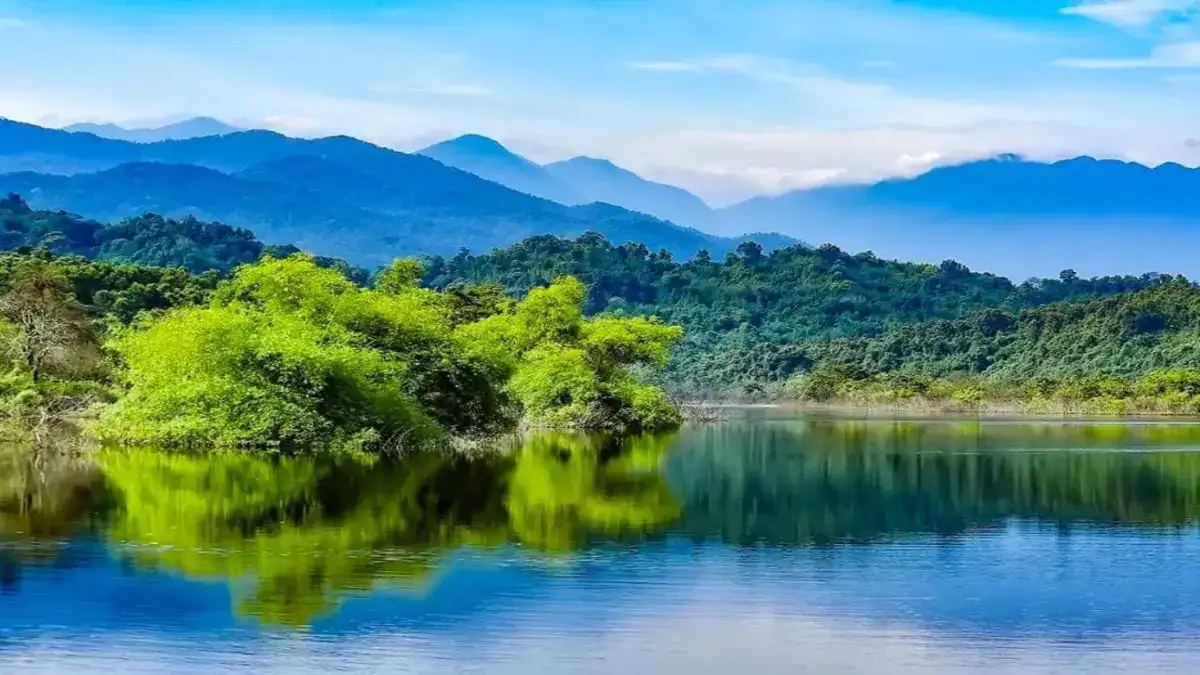
- Location: Vũ Quang District, Hà Tĩnh Province, North Central Vietnam (Annamite Range corridor).
- Area: ~550 km² (reports vary: ~550 km² — 570 km² depending on source).
- Established: declared a national park in 2002 (forest reserve earlier).
- IUCN Category: II (National Park).
- International recognition: ASEAN Heritage Park (designated 2018).
Vietnam National Parks – Vu Quang National Park is one of Vietnam’s most important and biologically rich forested landscapes. Remote, rugged and still relatively little visited, the park sits in the central Annamite Mountains and forms part of a transboundary corridor of protected areas that link Pu Mat and (via other protected zones) Phong Nha — Ke Bang. This position makes Vu Quang essential for large-mammal conservation and for maintaining connectivity across central Vietnam’s montane forests.
Why Vu Quang Matters
Vu Quang rose to international attention in the early 1990s when remains and later live evidence led to the formal description of the saola (Pseudoryx nghetinhensis). One of the most remarkable mammal discoveries of the 20th century. Since then the park has been recognized as a global biodiversity priority, hosting many species that are rare, endemic to the Annamites, or threatened with extinction. The area was a forest reserve from the 1980s and was elevated to national park status in 2002 to strengthen protection.
Landscape, Climate & Habitats
The park’s terrain is mountainous with steep valleys and narrow ridges. Major forest types include lowland evergreen forest, mid- to upper-montane evergreen forest, and specialized high-elevation (pygmy) forest patches. Elevational gradients and varied microclimates produce high habitat diversity across the park. Rainfall is seasonal but often heavy, and misty conditions are common in the highlands, conditions that sustain lush evergreen cover.
Biodiversity Highlights
Vu Quang supports an exceptional assemblage of wildlife — especially mammals and birds associated with the Annamite Range:
- Saola (Pseudoryx nghetinhensis): first described after specimens and evidence from the Vu Quang area; critically endangered and extremely rare.
- Giant muntjac and other deer/antelopes: species discovered or confirmed in the Annamites since the 1990s.
- Primates: white-cheeked gibbon and other threatened primates occur or historically occurred in the region.
- Other fauna: clouded leopard/Indochinese tiger historical records (now functionally absent or extremely rare), bears, pangolins, and a diverse bird community including species important for lowland-Annamese endemism.
- Flora: intact evergreen forest with many canopy and understorey tree species, and local endemics adapted to montane conditions.
(Note: many Annamite species are cryptic and poorly known — the region continues to be the focus of new discoveries and taxonomic work.)
Conservation Status
Main threats: illegal hunting and snaring for bushmeat and wildlife trade, habitat loss from selective logging and agricultural encroachment, and limited enforcement capacity. Snares are a widespread, high-impact threat across the Annamites and are responsible for drastic declines in many forest mammals.
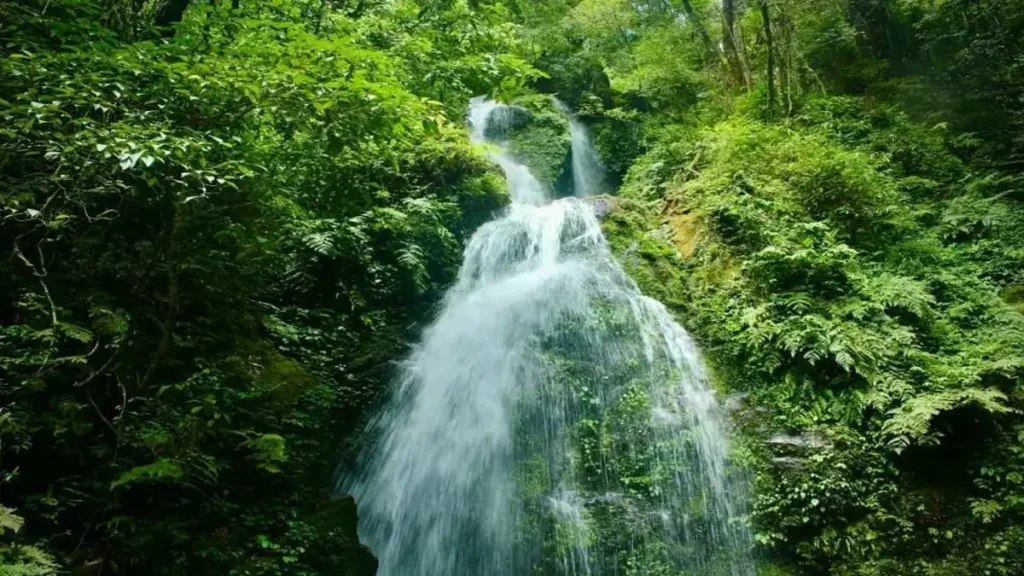
Conservation actions: international NGOs (e.g., WWF, conservation partners), government park management, and donor-supported projects are active in anti-poaching patrols, community engagement, species monitoring, and landscape-level planning to maintain connectivity. Programs emphasize snare removal, ranger training, law enforcement, and supporting alternative livelihoods for local communities. Continued investment in these programs is critical to prevent extinctions.
Visiting Vu Quang
Vu Quang is remote and not a mass-tourism destination; visiting emphasizes guided trekking, nature observation, community homestays, and educational visits. Practical notes for a visitor page:
- Access: nearest cities are Ha Tĩnh and Vinh; travel typically involves road transport followed by local roads into Vũ Quang district. Hire local guides — independent travel into core zones is discouraged.
- Best time to visit: the dry season (roughly late autumn to early spring) offers easier trails, though biodiversity activity can be high during wet months. Expect muddy trails and leeches in wetter seasons.
- Permitted activities: guided trekking, birdwatching, community visits and educational programs. Emphasize leave-no-trace practices, biosecurity, and avoiding wildlife disturbance.
Leave a Reply